The Science of Carbon Sequestration: Why Bamboo is the Ultimate Climate Fighter
The Climate Crisis and Natural Solutions
As carbon dioxide levels in the atmosphere continue to rise, finding scalable natural solutions for carbon storage is more urgent than ever. While planting trees is vital, bamboo offers unique biological advantages that make it one of the fastest and most efficient carbon sequesters on Earth.
The Fast-Growing Carbon Sink
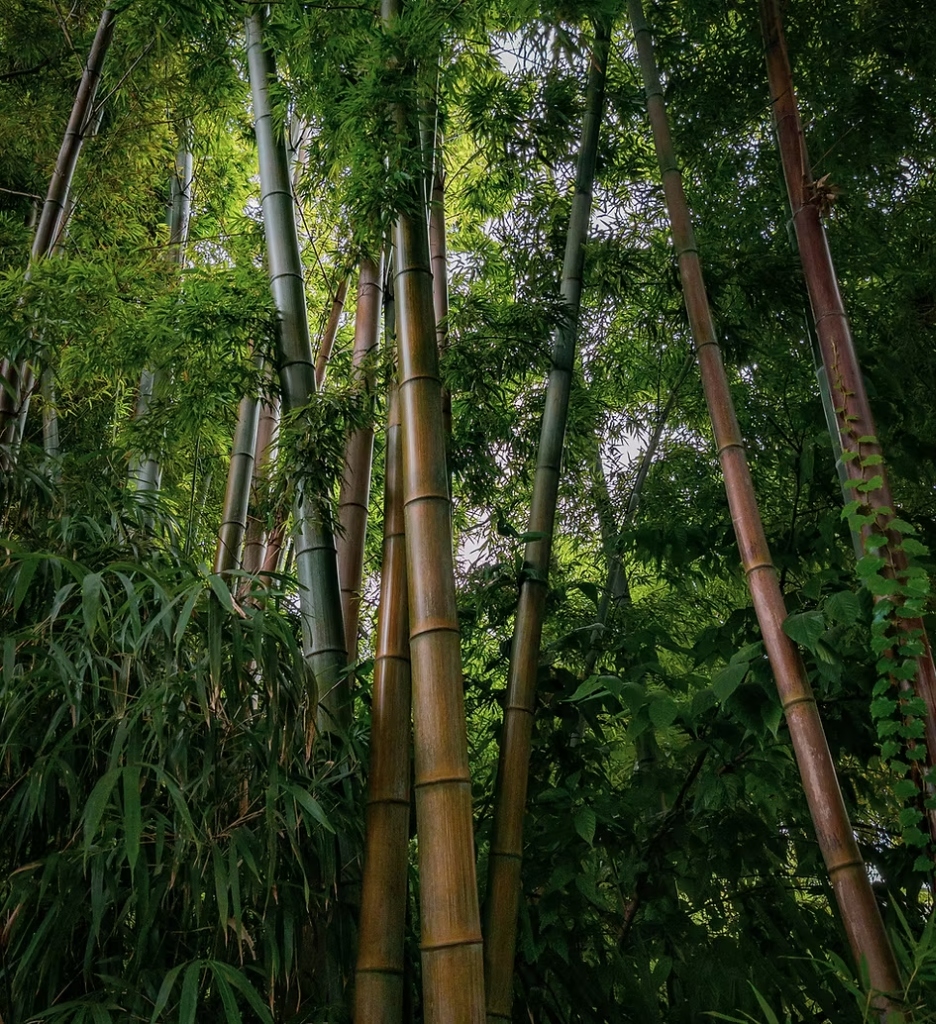
Unlike hardwood trees which take decades to mature, certain species of bamboo can grow up to 3 feet in a single day. This rapid growth requires an immense amount of carbon, which bamboo pulls directly from the atmosphere via photosynthesis.
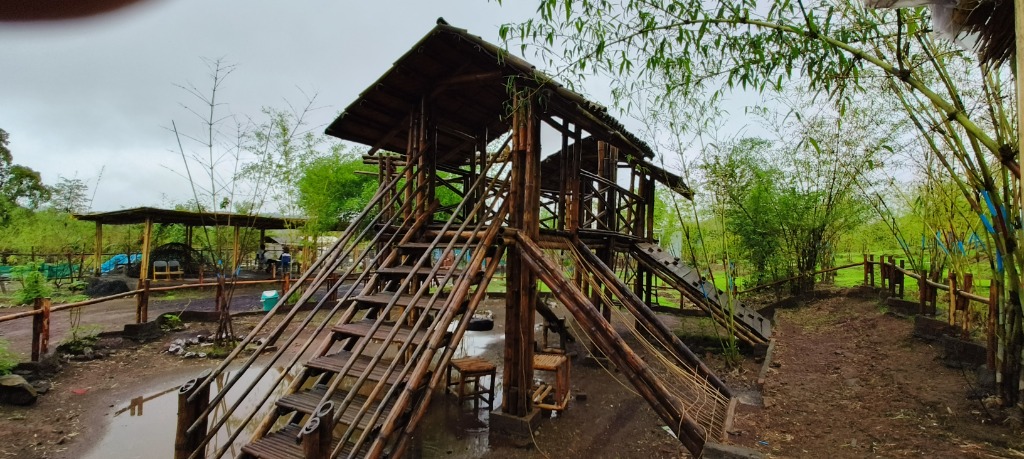
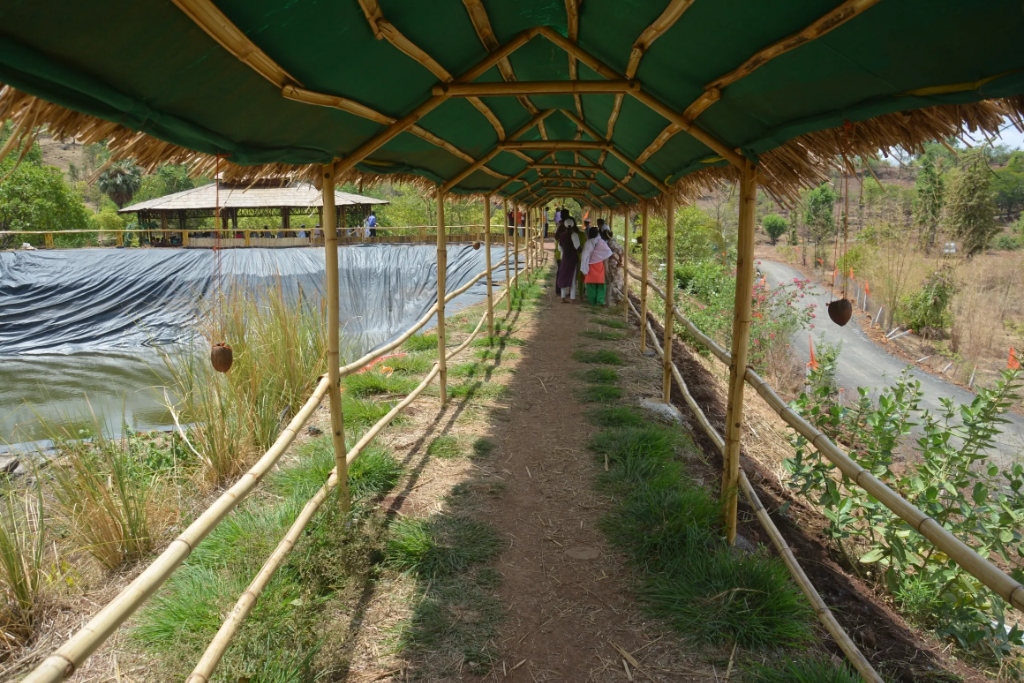
Studies show that a well-managed bamboo grove can absorb up to 35% more carbon dioxide than an equivalent stand of deciduous trees. Furthermore, it releases 35% more oxygen, making places like our 19-acre reserve a genuine "Oxygen Park."
Soil Anchoring and Water Retention
Bamboo's benefits extend far below the surface. Its extensive, fibrous root system (rhizomes) forms a tight underground net. This network performs three critical ecological functions:
- Erosion Control: It holds the topsoil firmly in place, preventing landslides and soil loss during heavy monsoon downpours.
- Water Table Recharge: The roots act like a natural sponge, slowing down surface runoff and allowing rainwater to filter deep into the groundwater table.
- Soil Health: It prevents nutrient leaching, keeping the land fertile for surrounding agriculture.
"Bamboo is nature's self-regenerating green shield. When harvested responsibly, its roots remain intact, allowing new shoots to grow immediately without replanting."
Building a Sustainable Future
Once harvested, the locked carbon remains stored inside the bamboo products—whether it's a structural beam, a piece of furniture, or a hand-woven basket. By replacing plastic, steel, or concrete with bamboo, we significantly reduce the global carbon footprint. It is truly the green building block of the 21st century.